Commercial rubbish collection for Elephant and Castle shops
Posted on 06/08/2026
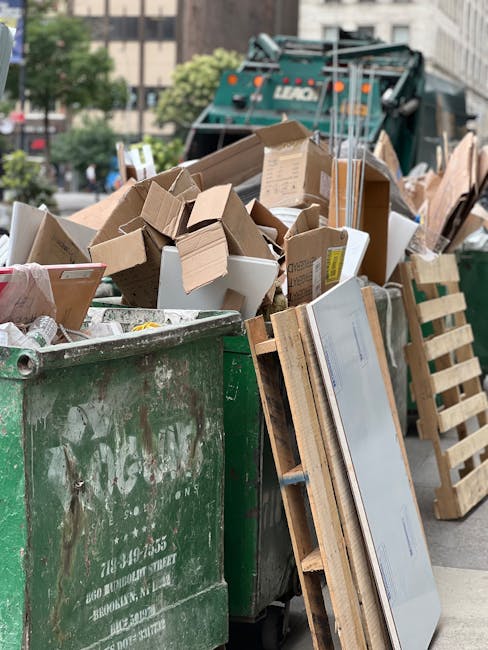
Running a shop in Elephant and Castle means juggling a lot at once: stock, staff rotas, deliveries, customers, and the pile of waste that seems to appear out of nowhere. Packaging builds up. Old display units go brittle. A broken fridge gets in the way. Then there's the awkward bit nobody wants to handle at closing time: what on earth do you do with commercial rubbish without disrupting trade?
That is exactly where Commercial rubbish collection for Elephant and Castle shops becomes more than a convenience. It is part of keeping the shop safe, tidy, and credible. In a busy local retail environment, rubbish that lingers can affect customer experience, block access, attract pests, and create extra stress for staff. This guide breaks down how it works, what to expect, common mistakes, and how shop owners can make waste removal feel almost invisible. Almost.
Why Commercial rubbish collection for Elephant and Castle shops Matters
Shop waste is not just "stuff to get rid of". It affects how customers see your business, how safely staff move around, and how smoothly your day runs. In a dense area like Elephant and Castle, where loading space can be tight and footfall changes through the day, waste can quickly become a practical headache rather than a background task.
For convenience stores, cafes, barbers, salons, mini-markets, independent fashion shops, florists, and gift shops, waste piles up in different forms. Some of it is light but bulky, some is heavy, and some is awkwardly shaped or potentially regulated. Think cardboard from deliveries, broken shelving, old till units, packaging film, damaged stock, cleaning waste, and occasional appliances. If you leave these things too long, they eat space you actually need for trading.
There is also the image side of things. Customers notice a shop frontage with bags squeezed near the door or boxes stacked in a corner. They may not say anything, but they absolutely see it. A clean, orderly shop feels run properly. That matters in a place where people might be choosing between several nearby businesses.
To be fair, the biggest reason is often simple: waste creates friction. Staff waste time moving it. Managers spend time worrying about it. And when waste becomes a daily scramble, it gets in the way of the core business. A reliable collection routine gives shop owners one less thing to think about, which in retail is no small mercy.
If your business is also dealing with office space, stock rooms, or mixed-use premises, it can help to look at office clearance in Elephant and Castle alongside regular shop waste arrangements. For larger or mixed waste jobs, the broader commercial waste removal service can be a better fit than one-off ad hoc disposal.
How Commercial rubbish collection for Elephant and Castle shops Works
In practice, commercial rubbish collection is usually straightforward. The shop identifies what needs removing, the collection is scheduled, and a team arrives to load and take away the waste. The details matter, though, because the right process saves time and avoids disruption.
Most collections begin with a quick assessment. That might happen by phone, message, or photos. The aim is to understand volume, type of waste, access, and whether anything needs special handling. A single broken chair is a very different job from a stockroom full of mixed packaging, old fixtures, and a redundant appliance. The clearer the description, the smoother the visit.
Once the collection is arranged, the team usually focuses on separating materials into the right streams where possible. Cardboard, metal, clean wood, furniture, electricals, and general waste may be handled differently. Good operators also think about how to minimise disturbance to customers and neighbouring businesses. In retail, timing is everything. Early morning, late evening, or off-peak windows often work best.
If your shop needs speedy help after a delivery issue or an end-of-day clear-up, the same-day option discussed in this local same-day rubbish removal article gives a useful sense of how fast turnarounds can work in the area. That said, not every collection needs to be rushed. Planned, regular collections are often calmer and cheaper in the long run.
A typical flow looks like this:
- Identify the waste and take a rough inventory.
- Check access, timing, and any restrictions around the shop.
- Book the collection and confirm what will be taken.
- Prepare the waste so it is easy to load.
- Complete the collection and keep the paperwork or receipt on file.
Simple on paper. A bit less simple when the shop is busy, the pavement is tight, and someone has stacked boxes in front of the fire exit. That's the real world, though.
Key Benefits and Practical Advantages
The obvious benefit is getting rid of waste. The better benefit is what that creates around it: more space, less clutter, and fewer operational headaches. For shops in Elephant and Castle, those wins can have a direct effect on day-to-day trading.
Here's the practical upside:
- Cleaner trading space: Stockrooms and back-of-house areas stay usable.
- Better customer impression: A neat frontage and tidy interior feel more professional.
- Improved staff safety: Less clutter means fewer trip hazards and easier movement.
- Reduced pest risk: Waste left too long is never a good idea, especially in food-adjacent businesses.
- Less staff time wasted: Your team can focus on customers, not dragging bags around.
- More predictable operations: Regular pickups are easier to plan than panic clear-outs.
There's also a sustainability angle. Good waste handling can support sorting and recycling instead of sending everything in one mixed load. If you are aiming to improve your environmental approach, it is worth reading the site's recycling and sustainability guidance. Even small changes, like separating cardboard and clean packaging properly, can make the process cleaner and less wasteful.
For shops refurbishing, replacing fixtures, or dealing with damaged displays, the right waste partner can also make one-off clear-outs feel much easier. If you ever need to dispose of old counters, chairs, shelving, or similar items, the relevant furniture disposal service may be more suitable than a generic collection.
And yes, sometimes the biggest benefit is just peace of mind. There is a lot to be said for walking into your shop on a Monday and not having to step over a mountain of cardboard. Lovely, really.
Who This Is For and When It Makes Sense
This service is a strong fit for any shop that produces waste more quickly than it can reasonably handle in-house. That may sound obvious, but the threshold is different for every business. A florist with daily packaging waste has different needs from a boutique that clears stock in larger but less frequent bursts.
It makes sense if your shop:
- gets regular deliveries with a lot of packaging
- has limited storage for waste
- is replacing shelving, fridges, fixtures, or displays
- needs a one-off clear-out after a refit or stock change
- shares a building with offices or flats and must keep common areas clear
- produces bulky waste that is awkward to move internally
- wants a more professional and reliable routine than occasional DIY disposal
It is especially useful for shops near busy pedestrian routes or loading-sensitive streets, where leaving waste outside for long periods simply is not practical. Local conditions matter. A collection that works perfectly at 7am can be a nuisance by midday.
If your needs are broader than retail waste alone, the wider waste disposal in Elephant and Castle page may be useful, especially if you also deal with general mixed waste. And if your premises includes storage above the shop, the loft clearance service can be handy for forgotten stock, boxes, or old equipment tucked away upstairs.
Sometimes a shop owner only realises the service is needed after the back room becomes a maze. You know the sort of place: one tiny path to the kettle, boxes leaning like they might start a union. That is your sign.
Step-by-Step Guidance
If you want a simple way to manage shop waste without the stress, follow a process. It does not have to be elaborate. It just needs to be consistent.
1. Identify the waste type
Start by sorting the waste into broad categories: cardboard, general rubbish, electrical items, furniture, stock waste, metal, or mixed bulky items. This is important because it helps determine the right collection method and avoids surprises on the day.
2. Estimate the volume
You do not need a perfect measurement. A rough estimate is enough: one sack, three sacks, half a van, a full unit, and so on. If you can, take a couple of photos from different angles. That saves time and helps avoid underbooking.
3. Decide on timing
Think about your trading rhythm. If you are busiest at lunchtime, do not schedule waste removal then unless you really have to. Early morning before opening can be ideal, especially if waste needs to pass through customer areas or narrow access points.
4. Prepare the items
Break down cardboard, empty containers where safe, and group similar items together. Keep sharp or hazardous materials separate and clearly identified. If anything is heavy, awkward, or potentially unsafe, mention it before collection day rather than hoping for the best. That rarely ends well.
5. Confirm access details
Check where the collection team can park, enter, and load. If there is a back entrance, a service yard, or a shared hallway, make sure everyone involved knows how access will work. In busy retail settings, these little details make the difference between a calm job and a messy one.
6. Keep records
Save receipts, invoices, and any transfer notes or records provided. That is not just tidy bookkeeping; it also helps if you ever need to show how waste was handled. Good records are boring in the moment and brilliant later.
7. Review the pattern
After a few collections, look at what keeps building up. Could cardboard be flattened sooner? Could packaging be handled at delivery time? Could a regular weekly collection replace repeated emergency jobs? Tiny adjustments can save a surprising amount of hassle.
Expert Tips for Better Results
After dealing with enough shop waste, a few patterns become obvious. The businesses that stay on top of it are not necessarily bigger or better staffed. They are usually just a bit more deliberate.
Useful habits include:
- setting aside a dedicated waste corner so rubbish never spreads across the shop
- flattening cardboard as soon as deliveries are opened
- keeping a separate container for recyclable material
- booking collections before a busy trading period, not after
- taking photos of bulky waste before it gets piled into a corner
- briefing staff on what can and cannot go into the collection load
One very practical tip: do not wait until waste becomes visibly inconvenient before acting. The more clutter builds up, the more time it takes to sort, move, and load. Shop waste behaves a bit like laundry, in a way. Ignore it for two days and it seems manageable. Ignore it for two weeks and suddenly it has its own postcode.
Another useful move is to match collection frequency to business rhythm. A cafe may need smaller but regular pickups because cardboard and packaging appear every day. A clothing shop might need less frequent collections but more help after seasonal changes or clearance events. A convenience store may need both. There is no single pattern that suits everyone.
If your shop sits inside a larger property, it may be worth coordinating with other clear-out needs. For instance, if stock rotation is happening upstairs as well, a broader property clearance in Elephant and Castle may be more efficient than tackling each area separately.

Common Mistakes to Avoid
Most waste headaches come from a few avoidable mistakes. Not dramatic mistakes. Just the sort that seem small until they are not.
Watch out for these:
- Leaving waste outside too early: it can obstruct pavements or create problems with passers-by.
- Mixing everything together: this slows sorting and can make collections less efficient.
- Underestimating volume: the "it's only a few bags" problem is a classic.
- Forgetting access limits: tight streets, stepped entrances, and shared corridors need planning.
- Ignoring special items: appliances and electricals may need separate handling.
- Not checking credentials: waste should be handled by an appropriately authorised carrier.
Another common issue is waiting until the back room is so full that staff can barely move. At that stage, waste collection becomes an emergency, and emergency jobs are almost never as tidy or cost-effective as planned ones. A little discipline goes a long way.
If your shop has recently had a delivery mishap or a short-term overflow of stock waste, the local junk removal page for Elephant and Castle may also be useful for one-off bulky items. Not everything has to become a grand project.
Tools, Resources and Recommendations
You do not need fancy software to manage shop waste, but a few simple tools make life easier. Nothing glamorous. Just practical stuff that helps you stay organised.
- Basic inventory sheet: list recurring waste types so staff know what to expect.
- Photo log: useful for estimating collection volume and spotting patterns.
- Calendar reminders: prevent last-minute panic and missed pickups.
- Labelled waste zones: cardboard, general waste, recyclables, and bulky items can be kept separate.
- Simple weighing or counting method: even a rough count of sacks or boxes helps with planning.
For business owners comparing service scope, the site's services overview can help you see how commercial waste support fits alongside other clear-out needs. If you are considering costs and want to understand how quotes are usually framed, the pricing and quotes page is worth a look as well.
Security and admin also matter. If your team handles bookings or payments, it helps to know how the business manages that side. The pages on payment and security and insurance and safety are useful trust signals for anyone choosing a provider carefully.
And if your waste is not strictly commercial shop waste, but a mix of household-style items from a premises above the store, house clearance may be more relevant than you first thought. Mixed-use buildings do like to blur the lines, don't they.
Law, Compliance, Standards, or Best Practice
Waste handling is not just a practical issue. It is also a compliance issue. Shop owners should take care to use a waste carrier that can lawfully move and manage waste, and they should keep evidence of how waste has been passed on. Exact duties can vary depending on the type of waste and the nature of the business, so it is sensible to be careful rather than casual.
Best practice usually includes:
- using an appropriately authorised waste carrier
- keeping invoices, receipts, or transfer records
- separating recyclable materials where practical
- keeping fire exits and walkways clear
- treating electrical items and appliances with extra care
- making sure staff know the shop's waste routine
If your waste includes electrical equipment, damaged appliances, or old refrigeration units, it is worth handling those as a separate category rather than bundling them into general rubbish. The dedicated appliance disposal service can be relevant for those items.
For a deeper trust check, many businesses like to review the company's waste carrier licence and compliance information. That is a sensible habit. No need to overcomplicate it, but no need to be vague either.
There is also the practical issue of local access and public space. If waste is left in a way that affects pavements, loading areas, or neighbours, it can create avoidable friction. In a lively area like Elephant and Castle, good housekeeping is both courteous and commercially smart.
Options, Methods, or Comparison Table
Shop owners usually choose between a few broad approaches. Some are cheap upfront but awkward in practice. Others are smoother, especially when time matters.
| Method | Best for | Advantages | Limitations |
|---|---|---|---|
| In-house waste handling | Very small, predictable volumes | Low direct cost, simple for tiny loads | Staff time, storage issues, less efficient for bulky items |
| Regular commercial rubbish collection | Shops with steady waste output | Reliable, organised, easier planning | Requires scheduling and ongoing budget |
| One-off clearance | Refits, stock changes, end-of-lease jobs | Fast removal of a large burden | Less suited to recurring waste |
| Mixed commercial waste service | Premises with varied waste streams | Flexible and practical for busy sites | Needs clearer description of items |
For most Elephant and Castle shops, the best option is a mix: a regular plan for recurring waste, then a one-off collection when something bigger crops up. That combination keeps things tidy without overbuying a service you do not need every week.
If your shop also sits close to residential areas or you manage mixed premises, it may help to compare commercial waste needs with the broader waste clearance approach. The right choice depends on what is actually building up, not just the label on the service.
Case Study or Real-World Example
Picture a small independent shop near Elephant and Castle station. Nothing flashy. Good footfall, tight floor space, stock arriving most mornings, and a back room that slowly starts to disappear under cardboard and broken display packaging. At first, staff flatten the boxes and stack them neatly. Then there is a delivery delay, a seasonal display change, and a pile of old fittings waiting in the corner. Suddenly the back room becomes a squeeze.
The owner could keep asking staff to move waste around, but that starts to eat into opening prep. Instead, they book a collection for a quiet morning slot. The packaging is loaded, the old fixture parts are taken away, and the shop regains the space needed for storage and restocking. Nothing dramatic happened. That is the point. The problem was solved before it became a proper mess.
Later, the owner adds a simple rule: cardboard gets flattened every day, reusable stock crates are separated, and bulky waste is logged for collection before it piles up. Not a big system. Just enough structure to keep the shop running smoothly. That kind of small discipline is often what separates calm operations from constant nagging disruption.
And yes, the staff noticed. The back room felt less like a trap and more like a room again. Funny how much that helps morale.

Practical Checklist
Use this quick checklist before your next shop waste collection.
- Have I identified the waste type correctly?
- Have I estimated the amount realistically?
- Are cardboard and recyclables separated where possible?
- Have I checked access, parking, and entry points?
- Have I told staff what to move and what to leave alone?
- Are any items heavy, sharp, electrical, or awkward?
- Have I chosen a time that avoids the busiest trading period?
- Do I have the paperwork or records ready to keep on file?
- Will the collection keep fire exits and walkways clear?
- Should this be part of a regular schedule instead of a one-off job?
Expert summary: the best commercial waste arrangements are usually the boring ones - predictable, tidy, and easy for staff to follow. If the system is simple enough to stick with on a busy Friday, it is probably a good system.
Conclusion
Commercial rubbish collection for Elephant and Castle shops is really about keeping the business moving. When waste is managed properly, the shop looks better, feels safer, and runs with less friction. That matters whether you are running a tiny independent outlet or a busier retail unit with frequent deliveries and constant packaging build-up.
The big lesson is this: do not wait for rubbish to become a crisis. Plan the routine, separate what you can, and make the collection process part of normal shop operations. Once that habit is in place, everything feels a little easier. Staff notice it, customers notice it, and you notice it most of all when you are not tripping over boxes before opening time.
If your shop needs a cleaner, calmer, more organised waste routine, now is a sensible time to put one in place. Get a free quote today and see how much you can save.
Handled well, waste stops being a problem and becomes just another thing your business quietly deals with. And honestly, that is a nice place to be.